Skip to content
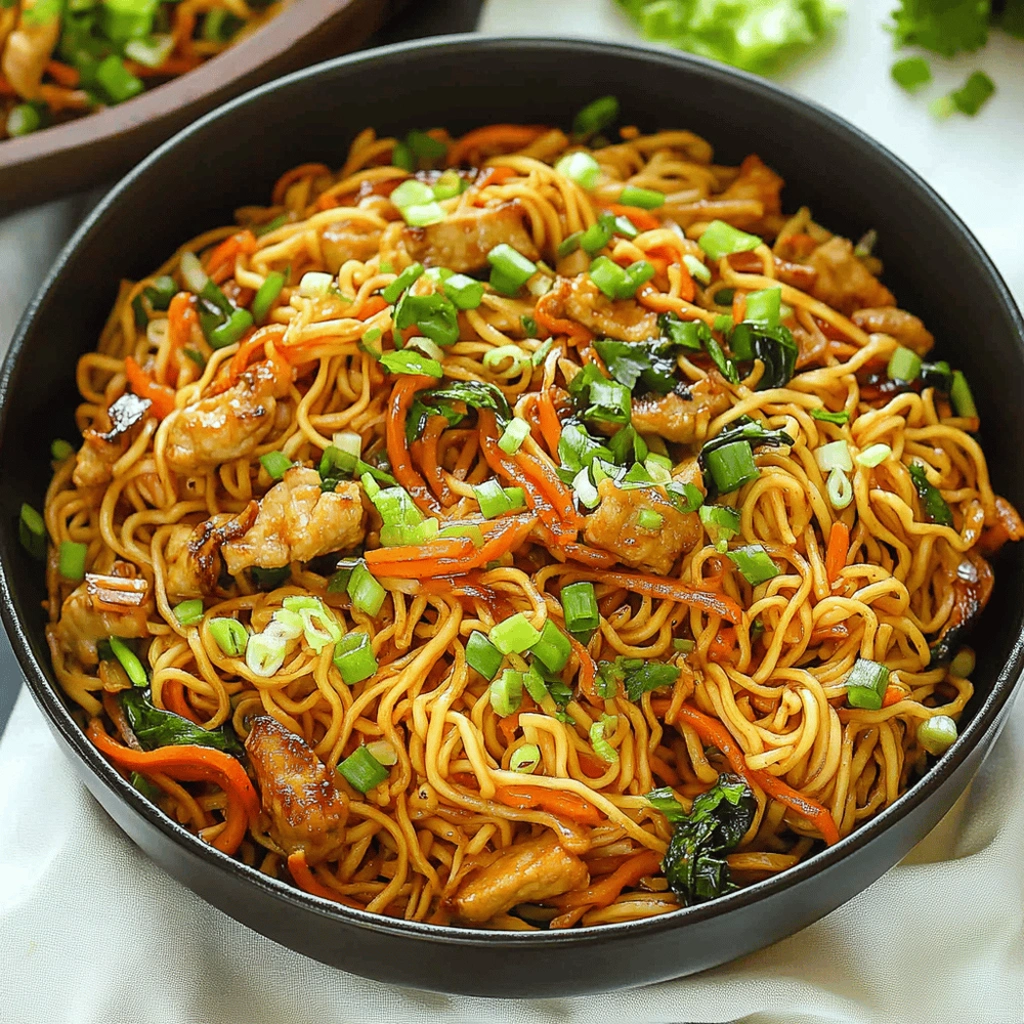
This easy chow mein recipe delivers perfectly tender noodles and crisp, vibrant vegetables coated in a rich, savory sauce that tastes like it came straight from your favorite takeout spot, but with a fraction of the effort. I created this recipe for busy weeknights when the craving for something delicious and satisfying hits, but time is short. It’s a lifesaver for moms and professionals alike, offering a wholesome and incredibly flavorful meal that everyone at the table will adore.
I tested this easy chow mein recipe countless times, tweaking the sauce ratios and vegetable cooking times to achieve that ideal balance of tender-chewy noodles and perfectly crisp-tender veggies every single time. The secret lies in preparing your ingredients before you even turn on the stove and using high heat to achieve that signature wok-kissed flavor. You’ll be amazed at how quickly this comes together, proving that authentic-tasting Asian noodles are absolutely achievable in your own kitchen.
Why You’ll Love This Recipe
Here’s why this easy chow mein recipe will become your new go-to:
- Incredibly Quick Preparation: Wow, this easy chow mein truly comes together in under 30 minutes. It’s perfect for those crazy weeknights.
- Authentic Takeout Flavor: Seriously, you’ll love the delicious, savory taste. It’s just like your favorite Chinese restaurant, but made right in your kitchen.
- Customizable with Your Favorite Veggies: You can easily adapt this recipe. Just use whatever fresh produce you have on hand right now.
- Family-Friendly Meal: This is a guaranteed crowd-pleaser. It’s so tasty, even picky eaters will devour it. Mealtime becomes so much less stressful.
Ingredients You’ll Need
Gathering your ingredients is the most crucial step for a successful easy chow mein recipe, as stir-frying happens at lightning speed! My personal tip is to have everything chopped, measured, and ready to go before you even think about heating your wok. This ensures a smooth cooking process and prevents anything from burning. The magic of this dish comes from the harmonious blend of textures and the umami-rich sauce that ties it all together.
Noodles:
Chow mein noodles: 8 ounces. I prefer fresh chow mein noodles for their superior texture, but good quality dried ones work beautifully too. Just be sure to cook them al dente.
Protein:
Boneless, skinless chicken breast or shrimp: 1 pound. Thinly sliced chicken breast or deveined shrimp cooks quickly and absorbs the sauce wonderfully. You can also use thinly sliced pork or firm tofu for a vegetarian option.
Vegetables:
- Carrots: 1 cup, sliced and julienned. Adds a touch of sweetness and a lovely crunch.
- Celery: 1 cup, sliced. Provides a subtle savory note and a satisfying crispness.
- Shredded cabbage: 1 cup. Adds bulk and a slightly sweet, earthy flavor that wilts nicely. Napa cabbage is a great choice here.
- Bean sprouts: 1 cup. These are essential for that authentic chow mein texture and a fresh, clean taste.
- Green onions: 1/2 cup, sliced (white and green parts separated). The white parts add a mild onion flavor during cooking, while the green tops offer a fresh, sharp finish as a garnish.
Aromatics & Sauce Base:
- Garlic: 3 cloves, minced. The foundation of flavor in most Asian dishes.
- Ginger: 1 inch, grated. Adds a warm, zesty kick that complements the other ingredients.
- Sesame oil: 1 tablespoon plus 1 teaspoon. Crucial for that signature nutty aroma and flavor. Use toasted sesame oil for the best results.
- Vegetable oil: 1 tablespoon. A neutral oil with a high smoke point, perfect for stir-frying.
Sauce & Thickener:
- Soy sauce (or tamari for gluten-free): 1/4 cup. The salty, umami backbone of our sauce. Low-sodium is a good option if you’re watching your sodium intake.
- Oyster sauce (or vegetarian oyster sauce): 1 tablespoon. Adds a complex, savory depth and a slight sweetness.
- Rice vinegar: 1 tablespoon. Provides a touch of acidity to balance the richness.
- Sugar: 1 teaspoon. Just a hint to round out the flavors and enhance sweetness.
- White pepper: 1/2 teaspoon. Offers a subtle heat and a distinct peppery note that’s classic in Asian cooking.
- Cornstarch: 1 tablespoon mixed with 2 tablespoons water (slurry). This is our secret weapon for achieving a beautifully thickened, glossy sauce that clings to every noodle.
How to Make Easy Chow Mein
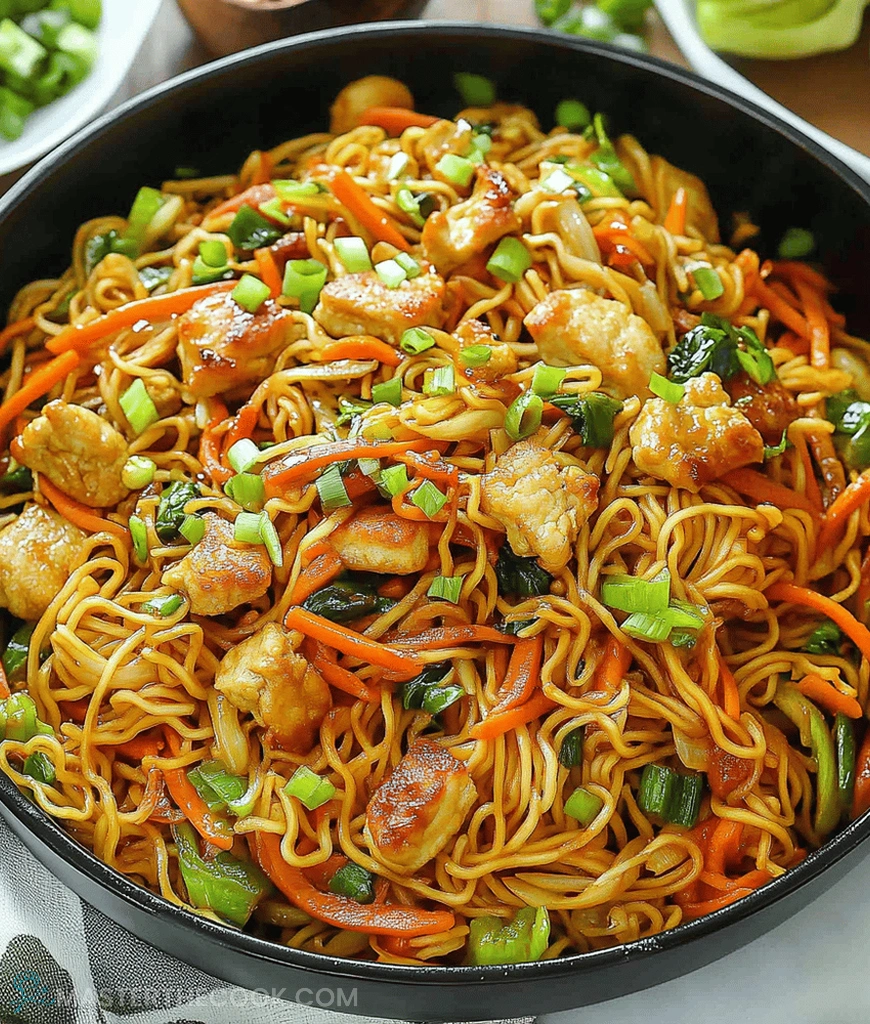
Step 1: Prepare the Noodles
First, cook your chow mein noodles according to the package directions. It’s important not to overcook them; aim for al dente. Once drained, rinse them thoroughly under cold water. This stops the cooking process. It also prevents the noodles from clumping together. Toss them with about a teaspoon of sesame oil. This keeps them separated and adds a subtle nutty flavor. Set them aside while you prepare the other components. This is a key step for perfect noodles.
Step 2: Mix the Sauce
In a small bowl, whisk together the soy sauce, oyster sauce, rice vinegar, sugar, and white pepper. This simple sauce mixture is key to the delicious flavor of your easy chow mein. Having it ready to go means you can pour it in at the perfect moment. This happens during the stir-frying process. Set this bowl aside near your cooking station.
Step 3: Cook the Protein
Heat the vegetable oil and the remaining teaspoon of sesame oil in a large wok or a spacious skillet over high heat. Once the oil is shimmering, add your thinly sliced chicken breast or shrimp. Stir-fry quickly until the protein is fully cooked through. This should only take about 3 to 5 minutes. Remove the cooked protein from the wok. Place it on a clean plate.
Step 4: Stir-fry the Harder Vegetables
Add the julienned carrots and sliced celery to the hot wok. Stir-fry these vegetables for about 2 to 3 minutes. You want them to become slightly tender. They should still maintain a pleasant crispness. This technique ensures they don’t get mushy in the final dish. This keeps great texture.
Step 5: Add Aromatics
Now, add the white parts of your sliced green onions. Add the minced garlic and the grated ginger to the wok with the vegetables. Stir-fry for just about 1 minute. Wait until you can smell their wonderful fragrance. Be careful not to burn the garlic. This step builds deep flavor.
Step 6: Add Softer Vegetables
Toss in the shredded cabbage and bean sprouts. Continue to stir-fry for another 2 to 3 minutes. The cabbage will begin to wilt. The bean sprouts will soften slightly. This adds more texture to your easy chow mein creation. They also add a fresh crunch.
Step 7: Combine Everything
Return the cooked chicken or shrimp to the wok with the vegetables. Now, add the prepared noodles back into the wok as well. Give everything a gentle toss. This distributes the ingredients evenly. It ensures every piece is coated.
Step 8: Add the Sauce
Give your reserved sauce mixture a quick whisk. This ensures it’s well combined. Pour the sauce evenly over the noodles and vegetables in the wok. Toss everything together gently but thoroughly. Coat every strand of noodle and piece of vegetable. Use this delicious sauce!
Step 9: Thicken the Sauce
Prepare your cornstarch slurry. Mix the cornstarch and water until smooth. Pour this slurry into the wok while stirring constantly. Continue to stir and cook for another 1 to 2 minutes. Wait until the sauce thickens. It should achieve a glossy consistency. This beautifully coats the noodles.
Step 10: Garnish and Serve
Finally, stir in the green parts of the sliced green onions. This adds a burst of fresh flavor and color. It makes your easy chow mein look amazing. Your delicious homemade stir-fry noodles are now ready. Serve them hot immediately!
How to Serve Easy Chow Mein
Garnishes
To elevate your easy chow mein, a few simple garnishes make all the difference. A sprinkle of toasted sesame seeds adds a delightful nutty crunch. It also adds visual appeal. For a bit of heat and extra flavor, a drizzle of sriracha is fantastic. A few drops of chili oil also work well. Fresh cilantro leaves offer a bright, herbaceous contrast. This cuts through the richness of the sauce beautifully. These finishing touches transform a great dish. They make it truly exceptional for your family.
Side Dishes
While this easy chow mein is a complete meal on its own, it pairs wonderfully with a few simple sides. A light and refreshing cucumber salad is great. Use a sesame-ginger dressing. It offers a cool counterpoint to the warm noodles. Steamed edamame, lightly salted, provides an extra protein boost. It’s also a fun, interactive element. If you want a lighter option, try steamed broccoli florets. This adds extra greens and a satisfying bite.
Creative Ways to Present
For a more elegant presentation, consider serving individual portions in small, shallow bowls. Bamboo steamer baskets lined with parchment paper are also great. This evokes a lovely restaurant-style feel. Another idea is to arrange the chow mein artfully on a large platter. Ensure all the colorful vegetables are visible. Then garnish generously with green onions and sesame seeds. This makes for a stunning centerpiece. It’s perfect when entertaining guests.
Make Ahead and Storage
I know life gets hectic! Having a delicious, ready-to-eat meal is a game-changer. This easy chow mein recipe is surprisingly versatile when it comes to preparing ahead. It’s great for meal prep or simply saving those delicious leftovers for another day.
Storing Leftovers
Leftovers of your easy chow mein recipe can be stored in an airtight container. Keep them in the refrigerator for up to 3 days. For the best texture upon reheating, I recommend storing any extra sauce separately. If you plan on adding fresh garnishes like green onions, keep those separate too. Do this until you’re ready to serve. This helps maintain the crispness of the vegetables. It also preserves the integrity of the noodles wonderfully.
Freezing
While this easy chow mein is best enjoyed fresh, it can be frozen! The texture of the noodles and vegetables might change slightly, but it’s still quite good. To freeze, allow the dish to cool completely. Portion it into freezer-safe containers. Heavy-duty freezer bags work well too. It’s best to omit fresh garnishes before freezing. Properly stored, it can last in the freezer for up to 1 month. Thaw overnight in the refrigerator before reheating.
Reheating
Reheating is best done gently to preserve that lovely texture. In the oven, preheat to 350°F (175°C). Reheat in an oven-safe dish. Cover it with foil. Heat for about 10-15 minutes, or until heated through. The microwave is faster. It can sometimes make noodles a bit soft, though. Reheat in 1-2 minute intervals. Stir in between. If the chow mein seems a little dry, add a tablespoon or two of water or broth. Do this while reheating to loosen the sauce. Add any fresh garnishes just before serving.
Here are some of my best tips to help your easy chow mein recipe turn out perfectly every time:
- Preparation Tips: Ensure all your vegetables are cut into uniform pieces. This promotes even cooking. Slice proteins thinly against the grain. This makes them more tender. Have all your sauce ingredients measured and ready. Do this before you start cooking.
- Cooking Techniques: Use a wok or a large, heavy skillet. Make sure it’s very hot. Add ingredients carefully. Cook in batches if needed. Avoid overcrowding the pan. This can steam ingredients. Instead, you want to stir-fry them well.
- Substitutions: Feel free to swap out vegetables. Broccoli, bell peppers, or snap peas are great ideas. For protein, consider thinly sliced pork. Beef or even firm tofu works well. This makes a wonderful vegetarian option. Use tamari for a gluten-free easy chow mein.
- Pro Tips: Don’t overcook the noodles. They cook a bit more in the wok. Add the cornstarch slurry at the end. Stir until the sauce thickens. This creates a lovely glossy finish. It coats everything beautifully.
Frequently Asked Questions
Can I prepare the sauce for this easy chow mein recipe ahead of time?
Yes, absolutely! You can whisk together all the sauce ingredients and store them in an airtight container in the refrigerator for up to 3 days. This makes assembling your easy chow mein even faster on busy weeknights. It’s a great time-saver!
What kind of noodles are best for this recipe?
While fresh chow mein noodles are ideal for their texture, good quality dried chow mein noodles or even spaghetti can be used in a pinch. Just be sure to cook them to al dente and rinse them well to prevent sticking before adding them to the stir-fry. They will absorb flavor beautifully.
How can I make this easy chow mein recipe vegetarian or vegan?
To make this a vegetarian dish, simply omit the chicken or shrimp. Add more vegetables or firm tofu instead. For a vegan version, use a vegetarian oyster sauce or a mushroom-based stir-fry sauce. Always ensure your soy sauce is vegan too.
PrintEasy Chow Mein Recipe
A quick and delicious recipe for Easy Chow Mein, perfect for a weeknight meal. This recipe features tender noodles, crisp vegetables, and a savory sauce.
- Prep Time: 15 minutes
- Cook Time: 15 minutes
- Total Time: 30 minutes
- Yield: 4 servings 1x
- Category: Main Course
- Method: Stir-fry
- Cuisine: Asian
- Diet: Vegetarian
Ingredients
- 8 ounces chow mein noodles (fresh or dried)
- 1 tbsp sesame oil
- 1 tbsp vegetable oil
- 1 lb boneless, skinless chicken breast or shrimp, thinly sliced or deveined
- 1 cup sliced carrots (julienned)
- 1 cup sliced celery
- 1 cup shredded cabbage
- 1 cup bean sprouts
- 1/2 cup sliced green onions (white and green parts separated)
- 3 cloves garlic, minced
- 1 inch ginger, grated
- 1/4 cup soy sauce (or tamari for gluten-free)
- 1 tbsp oyster sauce (or vegetarian oyster sauce)
- 1 tbsp rice vinegar
- 1 tsp sugar
- 1/2 tsp white pepper
- 1 tbsp cornstarch mixed with 2 tbsp water (slurry)
Instructions
- Cook chow mein noodles according to package instructions. Drain, rinse with cold water to prevent sticking, and toss with 1 tsp sesame oil. Set aside.
- Prepare the sauce: In a small bowl, whisk together soy sauce, oyster sauce, rice vinegar, sugar, and white pepper. Set aside.
- Heat vegetable oil and 1 tsp sesame oil in a large wok or skillet over high heat. Add chicken or shrimp and stir-fry until cooked through, about 3-5 minutes. Remove from wok and set aside.
- Add carrots and celery to the wok and stir-fry for 2-3 minutes until slightly tender-crisp.
- Add the white parts of the green onions, minced garlic, and grated ginger. Stir-fry for 1 minute until fragrant.
- Add shredded cabbage and bean sprouts to the wok. Stir-fry for 2-3 minutes until wilted.
- Return the cooked chicken/shrimp to the wok. Add the cooked noodles.
- Give the sauce mixture a quick whisk, then pour it over the noodles and vegetables. Toss everything together to coat evenly.
- Add the cornstarch slurry to the wok, stirring constantly until the sauce thickens and coats the noodles. Cook for another 1-2 minutes.
- Garnish with the green parts of the green onions.
- Serve hot and enjoy!
Notes
- For a gluten-free version, use tamari instead of soy sauce and ensure your oyster sauce is gluten-free.
- You can substitute other vegetables like broccoli florets, bell peppers, or snap peas.
- If using dried noodles, make sure to stir-fry them briefly after adding the sauce to absorb flavor.
Nutrition
- Serving Size: 1 serving
- Calories: Approx. 450-550 kcal (will vary based on protein choice and exact quantities)
- Sugar: Approx. 8-12g
- Sodium: Approx. 1200-1500mg (can be reduced by using low-sodium soy sauce)
- Fat: Approx. 15-20g
- Saturated Fat: Approx. 3-5g
- Unsaturated Fat: Approx. 10-15g
- Trans Fat: 0g
- Carbohydrates: Approx. 50-60g
- Fiber: Approx. 3-5g
- Protein: Approx. 25-35g
- Cholesterol: Varies based on protein choice (e.g., ~80mg for chicken)