Skip to content
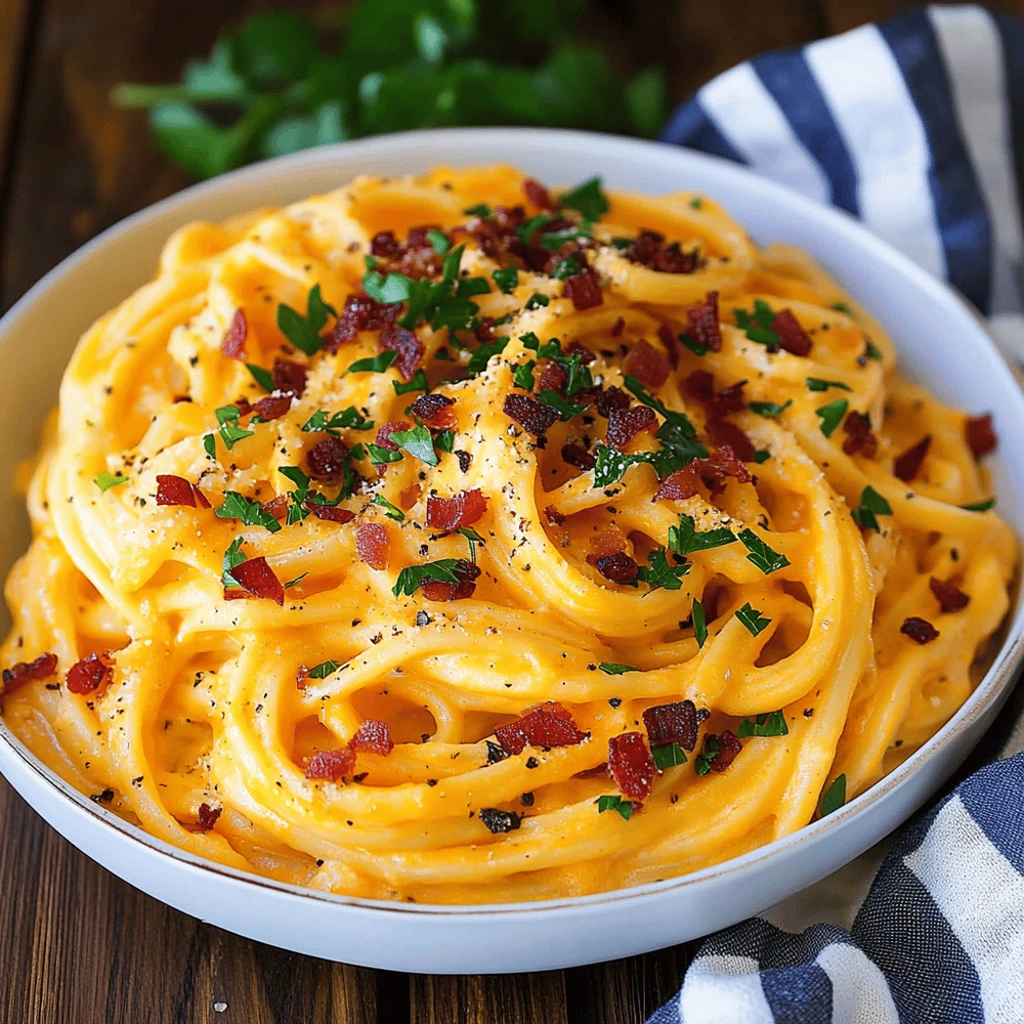
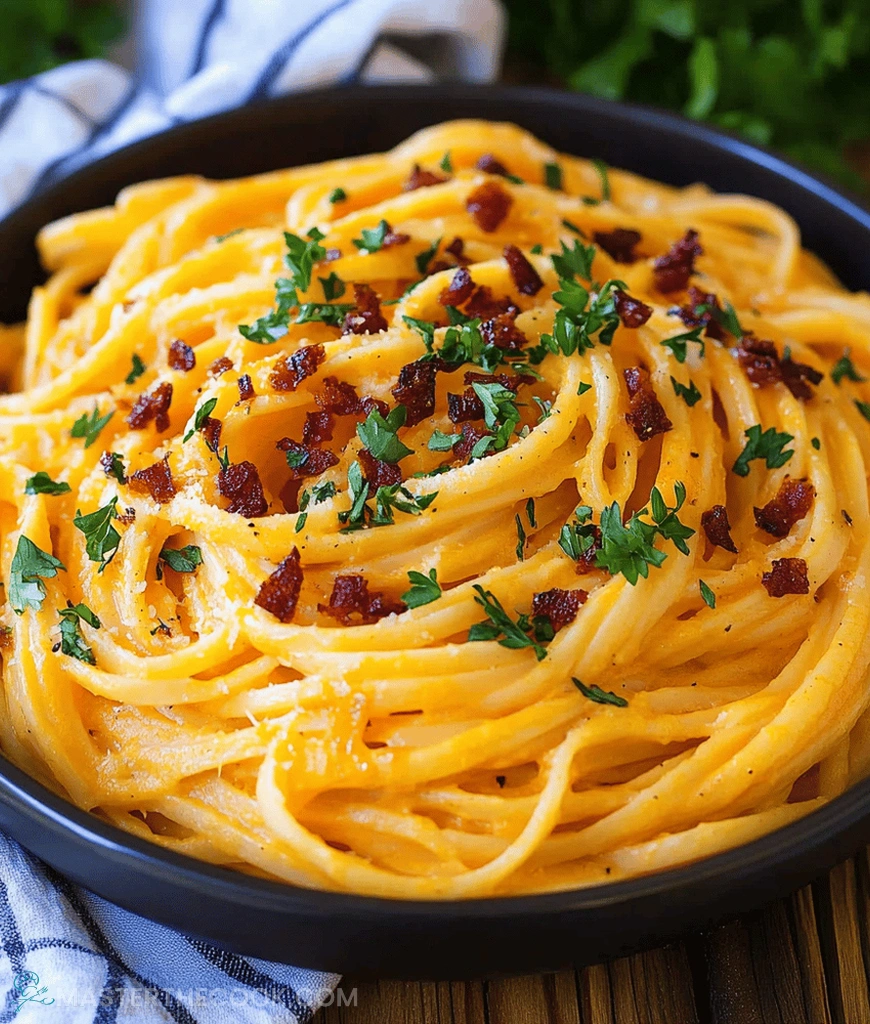
Get ready for a truly comforting and incredibly creamy butternut squash pasta recipe. I guarantee the texture will be like velvet on your tongue. This dish is a weeknight warrior. It truly appeals to everyone at the table. I actually developed this one on a chilly autumn evening. I wanted something deeply satisfying. Something easy for us busy folks.
I must have made this dish about ten times. I tweaked every element for pure deliciousness. The secret is in roasting the squash just right. This brings out its natural sweetness. It also gives the sauce that incredible depth. You will be amazed by the richness it brings.
Why You’ll Love This Recipe
- Unbeatable Creaminess: Roasting the squash creates a naturally velvety smooth sauce. It’s pure comfort in every bite.
- Quick Weeknight Meal: This butternut squash pasta recipe comes together faster than you think. Dinner is served with minimal fuss.
- Flavor Packed: Sage and Parmesan add a wonderful depth. The sweetness of the squash shines through beautifully.
- Crowd Pleaser: Even picky eaters often love this dish! It’s a wonderful meat-free option everyone can enjoy.
Ingredients You’ll Need
I just adore how these simple ingredients come together. They create pure magic in a bowl. Roasting the butternut squash first is key for that amazing sweetness. I always make sure my squash is tender before blending. It makes the sauce unbelievably smooth. Don’t skip reserving that pasta water. It’s liquid gold for adjusting sauce consistency!
Butternut Squash: You’ll need about one medium squash. Peel it, seed it, and cube it into bite-sized pieces. Roasting this brings out its natural sweetness. This is the star of our flavor profile.
Olive Oil: Divided use here. We use it to roast the squash. We also use it to sauté our aromatics. A good quality extra virgin olive oil is perfect.
Dried Sage: This herb is a classic pairing with squash. It adds a lovely earthy depth. Don’t use too much, a little goes a long way.
Salt and Black Pepper: Essential for seasoning. Seasoning at each stage builds flavor. Taste and adjust at the end, too.
Pasta: One pound of your favorite shape works. Penne, rigatoni, or fettuccine are great choices. They hold the creamy sauce well.
Butter: Just a tablespoon adds richness. It helps soften the onions beautifully.
Yellow Onion: One small onion, finely chopped. It forms the savory base of our sauce. Red onion can work in a pinch.
Garlic: Two cloves, minced. A little garlic adds wonderful aroma. Be careful not to burn it.
Vegetable Broth: Half a cup adds moisture and flavor. It helps the sauce come together smoothly. Chicken broth is also fine.
Heavy Cream: Half a cup makes the sauce luxuriously creamy. For a lighter option, milk works too. It won’t be quite as rich.
Parmesan Cheese: Half a cup, grated, plus more for serving. It adds a salty, nutty finish. Use good quality stuff!
Optional Garnishes: Toasted pumpkin seeds or fresh sage leaves add crunch. They also add a pop of color and freshness.
How to Make Butternut Squash Pasta
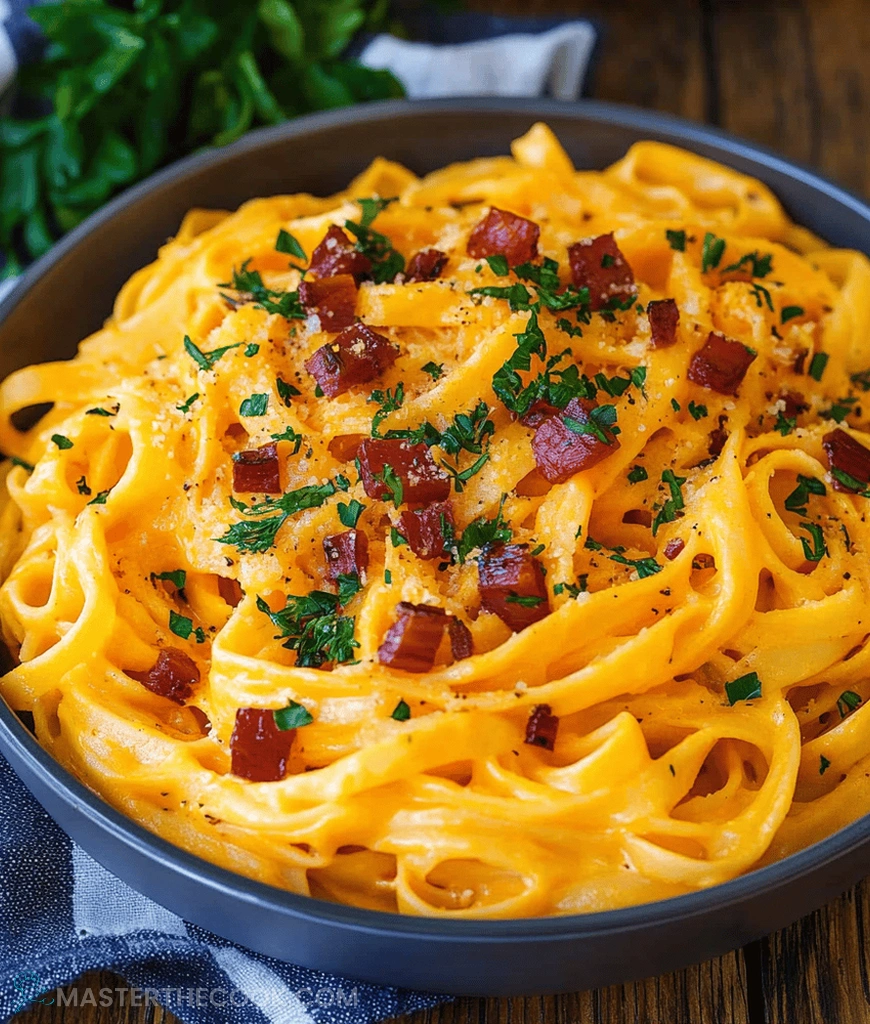
Step 1: Roasting the Butternut Squash
Preheat your oven to 400°F (200°C). Get a baking sheet ready. Toss your cubed butternut squash with one tablespoon of olive oil. Sprinkle in the dried sage. Season well with salt and pepper. Roast for about 20 to 25 minutes. You want it tender. Look for lightly caramelized edges. Set your roasted squash aside for later.
Step 2: Cooking the Pasta
Now, let’s cook the pasta. Follow the package directions carefully. Use your favorite pasta shape here. Before you drain it, save one cup of the starchy pasta water. This water is a secret weapon for the sauce. Drain the pasta and set it aside.
Step 3: Building the Flavor Base
Grab a large skillet or a Dutch oven. Melt the butter. Add the remaining one tablespoon of olive oil. Heat it over medium heat. Add your finely chopped yellow onion. Cook until the onion is softened. This usually takes about 5 to 7 minutes. Add the minced garlic. Cook for just one more minute. You want it to smell fragrant.
Step 4: Infusing the Sauce
Now add the roasted butternut squash to the skillet. Pour in the vegetable broth. Add the heavy cream next. Stir everything together gently. Bring the mixture to a gentle simmer. Once it’s simmering, remove the skillet from the heat. This is the start of our delicious butternut squash pasta sauce.
Step 5: Creating the Creamy Sauce
It’s time to make it smooth. Carefully transfer the squash mixture to a blender. Alternatively, you can use an immersion blender right in the skillet. Blend until it is perfectly smooth. If the sauce seems too thick, add a small splash of that reserved pasta water. This step is crucial for a silky texture.
Step 6: Blending to Perfection
Ensure your sauce is wonderfully smooth. Bland it until you reach a velvety consistency. If using a standard blender, be cautious with hot liquids. Vent the lid slightly. Pulse gently at first. For maximum creaminess, blend for a good minute. This ensures no chunks remain.
Step 7: Finishing the Sauce
Return the smooth sauce to the skillet. Put it back over low heat. Stir in the grated Parmesan cheese. Keep stirring until the cheese is completely melted. This makes the sauce rich and cheesy. Season again with salt and pepper to your taste. Remember, the cheese adds saltiness.
Step 8: Combining Pasta and Sauce
Add your drained pasta directly into the sauce. Toss everything together gently. Make sure every piece of pasta is coated. If the sauce is too thick, add more reserved pasta water. Add it just a tablespoon at a time. Continue tossing until you reach your desired consistency. Serve this delightful butternut squash pasta immediately.
How to Serve Butternut Squash Pasta
Garnishes
To truly elevate this butternut squash pasta, I love adding a few finishing touches. Toasted pumpkin seeds are a must for me! They bring such a satisfying crunch. They also echo the natural flavors of fall. A sprinkle of fresh sage leaves adds a pop of green. It also offers a burst of fresh, herbal aroma. A final dusting of extra Parmesan cheese is always welcome. It melts into the warm pasta for extra decadence.
Side Dishes
This rich pasta is wonderful on its own. But, a few simple sides make it a complete meal. A crisp green salad with a light vinaigrette is perfect. It cuts through the creaminess beautifully. Roasted Brussels sprouts with a balsamic glaze are another fantastic option. Their slight bitterness complements the sweet squash. For something warm and comforting, crusty bread is ideal. You can use it to soak up any extra sauce.
Creative Ways to Present
When I want to impress guests, I get a little creative. Serve individual portions in shallow, rustic bowls. It looks so elegant. For a more playful presentation, serve the pasta directly from a beautiful cast-iron skillet or Dutch oven. This is perfect for a cozy family dinner. You can also plate individual servings. Twirl the pasta high on the plate. Then, top with a swirl of sauce and a few extra seeds.
Make Ahead and Storage
I know how busy life gets. Sometimes you just need to get ahead. This butternut squash pasta is a lifesaver for meal prep. I often make a big batch on the weekend. Then I have delicious lunches ready for the week. It really makes those hectic weekdays so much easier.
Storing Leftovers
You can store leftovers in an airtight container. Keep it in the refrigerator for up to 3 days. I like to store any optional garnishes separately. This keeps them fresh and crunchy. Things like toasted pumpkin seeds lose their crispness if stored with the pasta. If you made extra sauce, that can also be stored. It will keep well for about 4 days on its own.
Freezing
Yes, you can absolutely freeze this butternut squash pasta! It freezes quite well. I recommend freezing it before adding the fresh garnishes. Store it in freezer-safe containers. It should keep its quality for about 1 to 2 months. Make sure it’s well-sealed to prevent freezer burn. Thaw overnight in the refrigerator before reheating. This helps maintain the best texture.
Reheating
Reheating is super simple. For the best results, use your oven. Preheat it to 350°F (175°C). Place the pasta in an oven-safe dish. Add a splash of broth or water if it looks dry. Reheat for about 15-20 minutes. Stir halfway through. A microwave works too, but the texture might be a bit softer. You can add fresh Parmesan or garnishes after reheating.
Recipe Tips for the Best Butternut Squash Pasta
- Preparation Tips Take your time peeling and cubing the squash. Uniform pieces roast evenly. Grate your own Parmesan cheese for the best melt and flavor. Pre-shredded cheese often has anti-caking agents.
- Cooking Techniques Don’t overcook the pasta initially. It will finish cooking in the sauce. Watch the garlic closely to avoid burning. A gentle simmer is all the squash mixture needs before blending.
- Substitutions For a dairy-free version, use full-fat coconut milk instead of heavy cream and nutritional yeast for cheesy flavor. Vegetable broth can be swapped for chicken broth if preferred.
- Pro Tips Reserve more pasta water than you think you’ll need. It’s the key to perfect sauce consistency. Taste and adjust seasoning at the very end. This ensures balanced flavor.
Frequently Asked Questions
Can I make the butternut squash sauce ahead of time?
Absolutely! You can blend the roasted squash mixture into a smooth sauce up to 2 days before you plan to serve. Store it in an airtight container in the refrigerator. When ready to serve, gently reheat the sauce on the stove and finish with the Parmesan cheese.
What kind of pasta works best for this recipe?
I love using shapes that can hold onto the creamy sauce well. Think penne, rigatoni, or fettuccine. Even a good quality fusilli or rotini works wonderfully. The key is a pasta shape that has ridges or curves to capture that delicious butternut squash goodness.
How can I make this recipe lighter or dairy-free?
For a lighter take, simply use milk instead of heavy cream. You can also swap the Parmesan for a dairy-free alternative or use nutritional yeast for a cheesy flavor. For a fully dairy-free meal, ensure your broth is also dairy-free. Using a plant-based milk and a dairy-free cheese substitute works beautifully.
PrintButternut Squash Pasta Recipe
A creamy and flavorful pasta dish featuring roasted butternut squash, sage, and Parmesan cheese. This recipe is perfect for a comforting weeknight meal.
- Prep Time: 20 minutes
- Cook Time: 40 minutes
- Total Time: 1 hour
- Yield: 4–6 servings 1x
- Category: Main Course
- Method: Roasting and Simmering
- Cuisine: Italian-inspired
- Diet: Vegetarian
Ingredients
- 1 medium butternut squash, peeled, seeded, and cubed (about 4 cups)
- 2 tablespoons olive oil, divided
- 1 teaspoon dried sage
- Salt and black pepper to taste
- 1 pound pasta (such as penne, rigatoni, or fettuccine)
- 1 tablespoon butter
- 1 small yellow onion, finely chopped
- 2 cloves garlic, minced
- 1/2 cup vegetable broth
- 1/2 cup heavy cream (or milk for a lighter sauce)
- 1/2 cup grated Parmesan cheese, plus more for serving
- Optional: toasted pumpkin seeds or fresh sage for garnish
Instructions
- Preheat oven to 400°F (200°C). Toss cubed butternut squash with 1 tablespoon olive oil, dried sage, salt, and pepper on a baking sheet. Roast for 20-25 minutes, or until tender and lightly caramelized. Set aside.
- Cook pasta according to package directions. Reserve 1 cup of the pasta cooking water before draining.
- While pasta cooks, melt butter and remaining 1 tablespoon olive oil in a large skillet or Dutch oven over medium heat. Add chopped onion and cook until softened, about 5-7 minutes.
- Add minced garlic and cook for 1 minute more until fragrant.
- Add the roasted butternut squash to the skillet. Pour in the vegetable broth and heavy cream. Bring to a gentle simmer. Remove from heat.
- Carefully transfer the squash mixture to a blender or use an immersion blender to blend until smooth. If the sauce is too thick, add a splash of the reserved pasta water.
- Return the sauce to the skillet over low heat. Stir in 1/2 cup grated Parmesan cheese until melted and smooth. Season with salt and pepper to taste.
- Add the drained pasta to the sauce and toss to coat evenly. If the sauce is too thick, add more reserved pasta water a tablespoon at a time until desired consistency is reached.
- Serve immediately, topped with extra Parmesan cheese and optional garnishes.
Notes
- For a lighter sauce, you can substitute milk for heavy cream.
- Adjust the amount of pasta water to achieve your desired sauce consistency.
- Toasted pumpkin seeds or fresh sage make excellent garnishes.
Nutrition
- Serving Size: 1/6 of recipe
- Calories: Approximately 500-600 (will vary based on specific ingredients and portion size)
- Sugar: Approximately 10-15g (natural sugars from squash)
- Sodium: Approximately 400-600mg (will vary based on added salt and cheese)
- Fat: Approximately 25-35g
- Saturated Fat: Approximately 10-15g
- Unsaturated Fat: Approximately 15-20g
- Trans Fat: 0g
- Carbohydrates: Approximately 60-70g
- Fiber: Approximately 8-10g
- Protein: Approximately 15-20g
- Cholesterol: Approximately 50-70mg