Skip to content
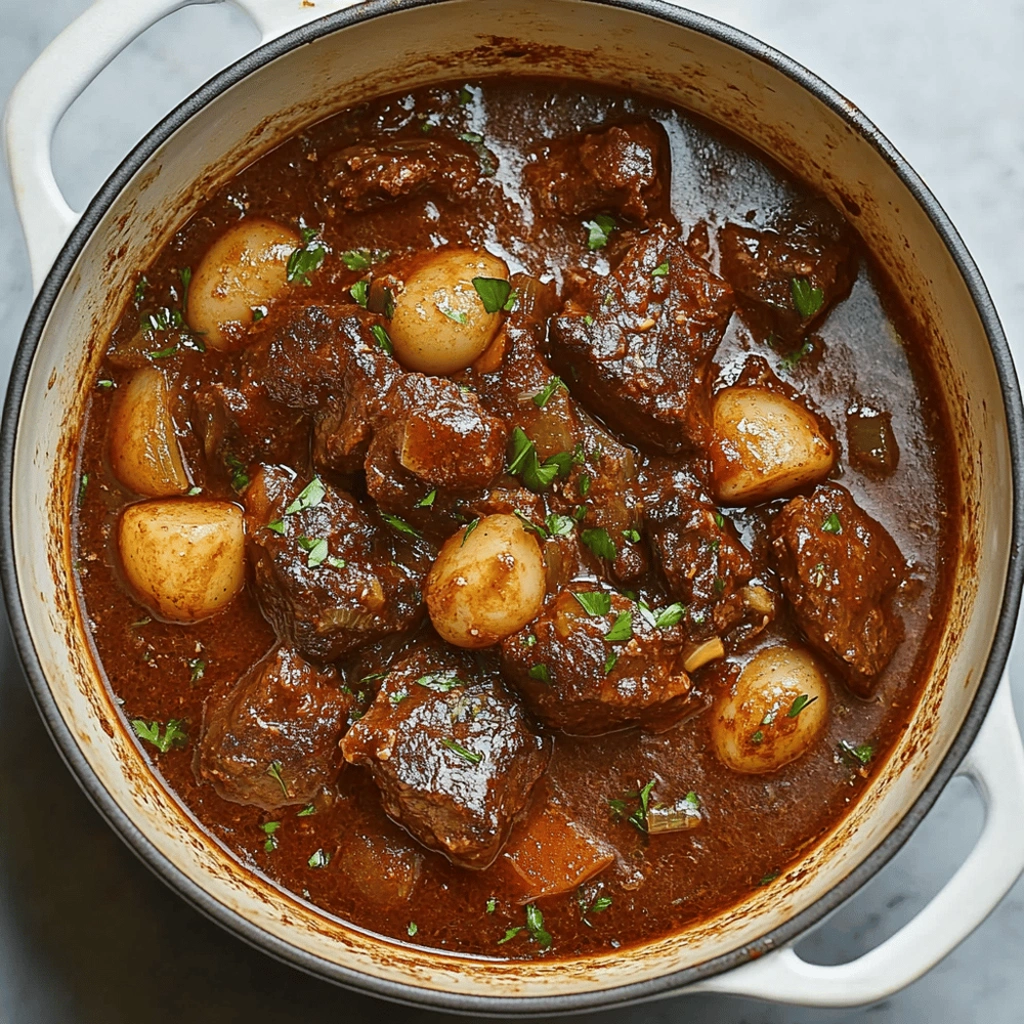
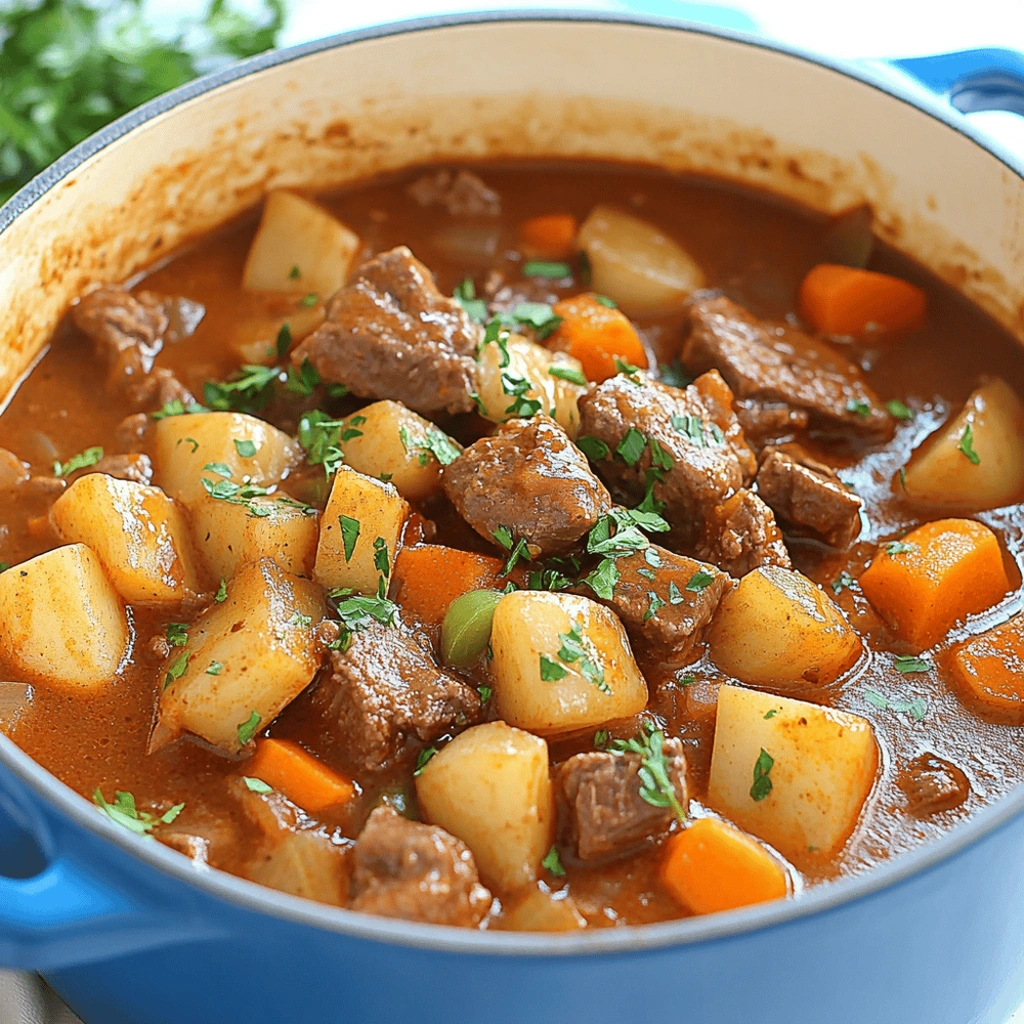
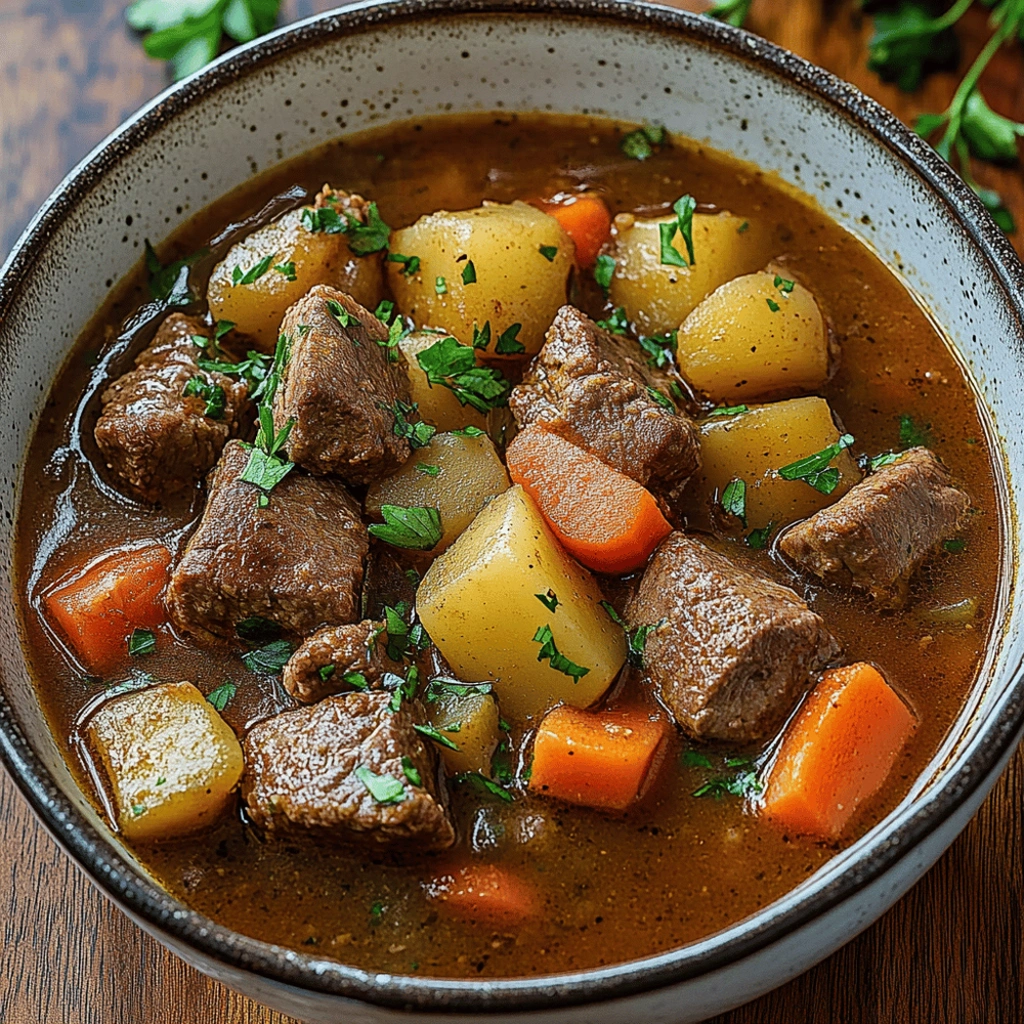
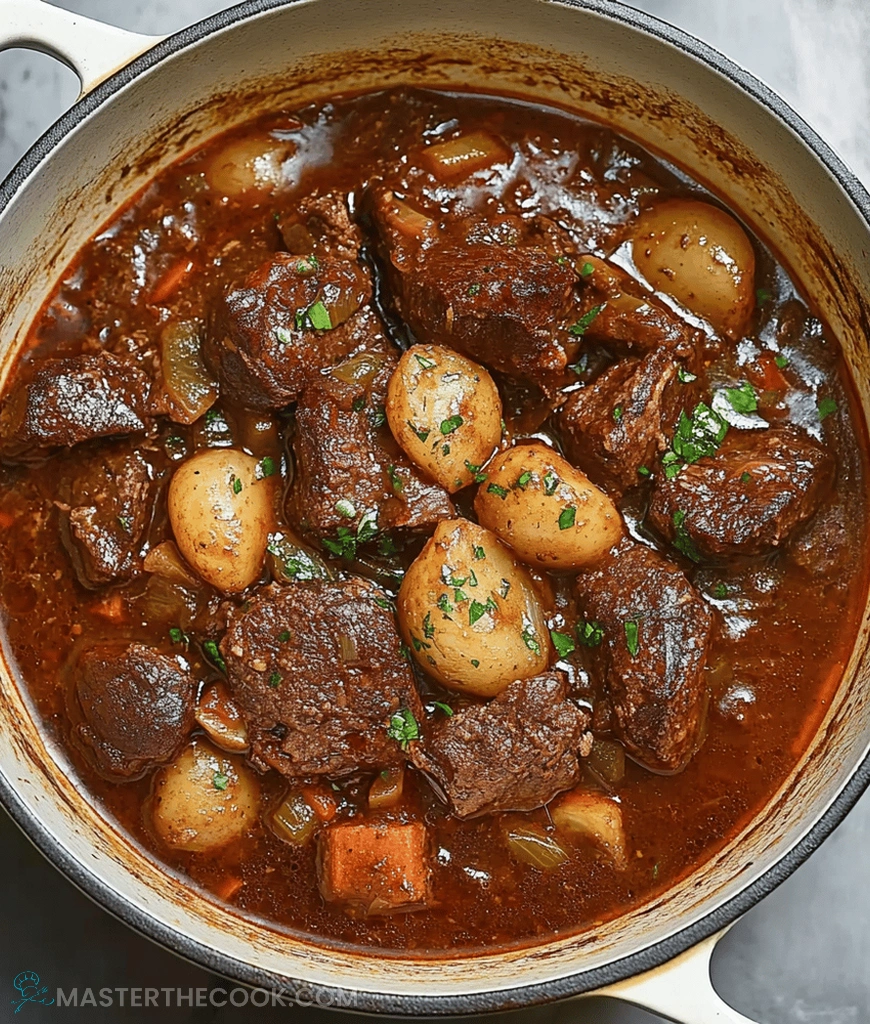
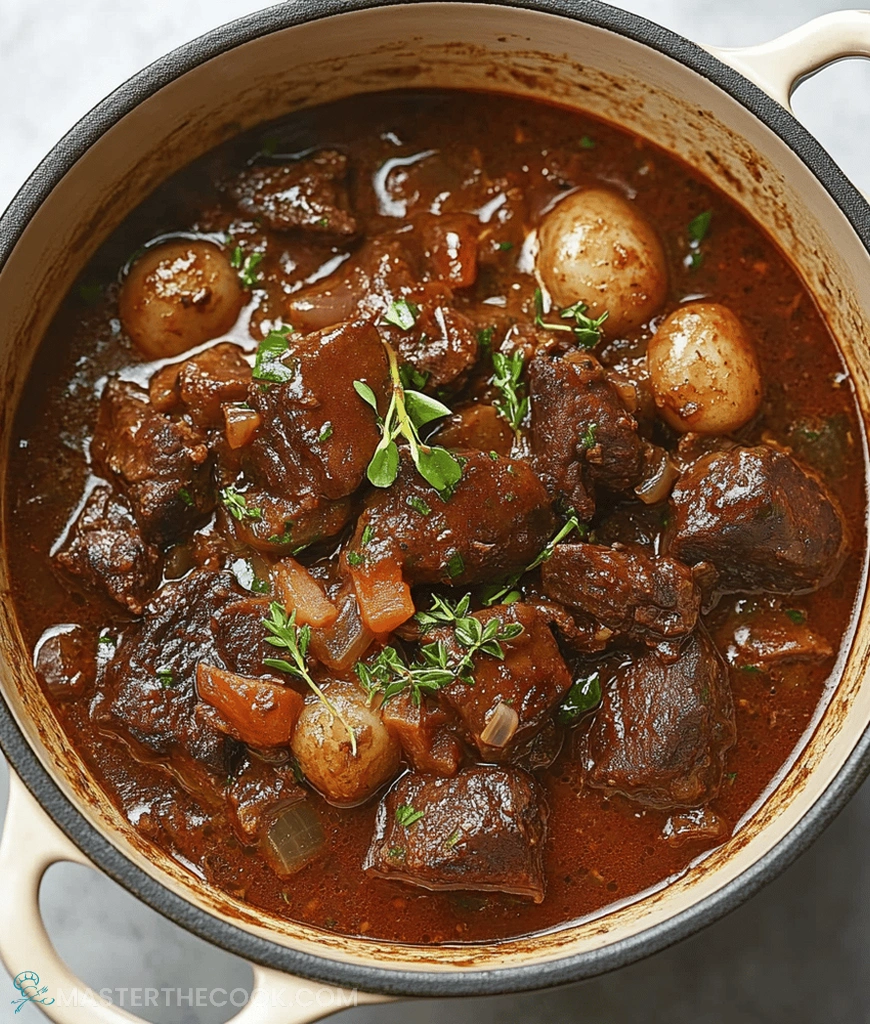
This Burgundy Beef Stew is truly a showstopper, delivering fork-tender beef and a rich, deeply flavored sauce that will have everyone asking for seconds. It’s the kind of comforting meal that feels elegant enough for company but is wonderfully practical for busy weeknights, especially when you embrace a little make-ahead magic. I first developed this recipe years ago when I wanted a classic French-inspired dish that was both impressive and manageable for my family’s busy schedule.
I spent weeks perfecting the balance of flavors and textures, testing it with different cuts of beef and various red wines to ensure the most tender results. The key lies in a simple dredging technique and a slow, patient simmer that allows the ingredients to meld into something truly extraordinary. You’ll see just how this method transforms simple ingredients into a luxurious Burgundy Beef Stew.
Why You’ll Love This Recipe
- Incredible Flavor Depth: The slow braising in red wine creates a rich, complex sauce that is simply irresistible.
- Remarkably Tender Beef: You’ll be amazed at how the beef melts in your mouth, a testament to the gentle cooking process.
- Effortless Elegance: This Burgundy Beef Stew looks and tastes like a gourmet meal, perfect for impressing guests with minimal fuss.
- Make-Ahead Friendly: The flavors actually improve overnight, making it an ideal choice for meal prepping.
Ingredients You’ll Need
The magic of this Burgundy Beef Stew comes from the simple, high-quality ingredients working in harmony. My favorite part is how the red wine not only tenderizes the beef but also infuses it with a wonderful depth of flavor. I always opt for a dry red wine that I’d happily drink, as its quality directly impacts the final sauce. Don’t skip dredging the beef in flour; it’s a small step that makes a big difference in thickening the stew and giving it that luxurious texture.
- Beef Stew Meat: 2 lbs, cut into 1 1/2-inch cubes. I prefer chuck roast for its marbling, which ensures tenderness and rich flavor after slow cooking. Ensure it’s cut into uniform pieces for even cooking.
- Olive Oil: 2 tbsp. This is for searing the beef and sautéing the vegetables, providing a good base for flavor development.
- Yellow Onion: 1 large, chopped. Onions are fundamental aromatics that add sweetness and depth to the stew’s base.
- Carrots: 2, peeled and thickly sliced. Carrots bring a natural sweetness and a lovely color, softening beautifully during the long simmer.
- Celery Stalks: 2, thickly sliced. Celery adds a subtle savory note and a pleasant texture that complements the other vegetables.
- Cremini Mushrooms: 4 oz, sliced. Mushrooms contribute an earthy, umami flavor that deepens the stew’s complexity.
- Garlic: 2 cloves, minced. Garlic is essential for its pungent aroma and flavor, adding a foundational layer of taste.
- Diced Tomatoes: 1 can (14.5 oz), undrained. These tomatoes add acidity and body to the sauce, breaking down to contribute to its richness.
- Dry Red Wine: 1 1/2 cups. A good quality Burgundy, Pinot Noir, or Cabernet Sauvignon is crucial. It tenderizes the beef and forms the backbone of the stew’s signature flavor.
- Beef Broth: 2 cups. This adds liquid for braising and enhances the beefy flavor. Low-sodium is a good choice to control saltiness.
- Bay Leaf: 1. A classic aromatic that imparts a subtle herbal note, remove before serving.
- Tomato Paste: 1 tbsp. This concentrated paste adds a rich, savory tomato flavor and helps to deepen the color of the stew.
- Dried Thyme: 1 tsp. Thyme offers an earthy, slightly minty aroma that pairs wonderfully with beef.
- Salt and Black Pepper: To taste. Essential for seasoning throughout the cooking process.
- All-Purpose Flour: 2 tbsp. Used for dredging the beef, this helps create a beautiful crust and thickens the stew as it cooks.
- Fresh Parsley: Chopped, for garnish. Adds a burst of fresh color and flavor right before serving.
How to Make Burgundy Beef Stew
Step 1: Prepare the Beef
Pat the beef stew meat completely dry with paper towels. This is a crucial step for achieving a good sear. In a shallow dish, combine the 2 tablespoons of all-purpose flour with a generous pinch of salt and black pepper. Dredge each piece of beef in the seasoned flour, shaking off any excess. This coating will help thicken our rich Burgundy Beef Stew and give it a beautiful crust.
Step 2: Brown the Beef
Heat the 2 tablespoons of olive oil in a large Dutch oven or a heavy-bottomed pot over medium-high heat. Once the oil is shimmering, carefully add the floured beef cubes in a single layer. Work in batches if necessary to avoid overcrowding the pot. Overcrowding will steam the meat instead of browning it. Sear the beef for about 2-3 minutes per side, until deeply browned. Remove the browned beef with a slotted spoon and set it aside on a plate.
Step 3: Sauté the Vegetables
Add the chopped onion, sliced carrots, and sliced celery to the same pot. Cook, stirring occasionally, for about 5-7 minutes. The vegetables should begin to soften and the onion becomes translucent. Next, add the sliced mushrooms. Continue to cook for another 3-5 minutes. They will release their moisture and start to brown. Stir in the minced garlic and cook for just 1 minute more until fragrant. Be careful not to burn it.
Step 4: Combine and Simmer
Return the browned beef to the pot with the sautéed vegetables. Pour in the undrained diced tomatoes. Add 1 1/2 cups of dry red wine. Pour in 2 cups of beef broth. Add the bay leaf, 1 tablespoon of tomato paste, and 1 teaspoon of dried thyme. Stir everything together. Scrape up any delicious browned bits from the bottom of the pot. These are packed with flavor for your Burgundy Beef Stew. Bring the mixture to a gentle simmer.
Step 5: Slow Cook to Perfection
Once simmering, reduce the heat to low. Cover the pot tightly. Let it simmer gently for 2 to 3 hours. The goal is for the beef to become incredibly tender. Alternatively, you can transfer the covered Dutch oven to a preheated oven. Set it at 325°F (160°C). Bake for the same amount of time. Check the stew periodically. Ensure it’s not boiling, just gently bubbling.
Step 6: Finish and Season
After 2-3 hours, carefully remove and discard the bay leaf. Test the beef for tenderness. It should be easily pierced with a fork. It will practically fall apart. Taste the Burgundy Beef Stew. Adjust salt and pepper as needed. If the sauce is thinner than you prefer, you have options. Simmer it uncovered for an additional 10-15 minutes to reduce. Or, whisk together 1 tablespoon of cornstarch with 2 tablespoons of cold water. Stir this slurry into the simmering stew until thickened.
How to Serve Burgundy Beef Stew
Garnishes
A sprinkle of fresh chopped parsley is my go-to for this Burgundy Beef Stew. Its bright green color provides a beautiful contrast to the deep, rich sauce. Its fresh flavor adds a lovely lift. Sometimes, I’ll also add a dollop of sour cream or crème fraîche. This adds a touch of creaminess. A little extra cracked black pepper adds a subtle bite. These simple additions truly elevate the presentation and taste.
Side Dishes
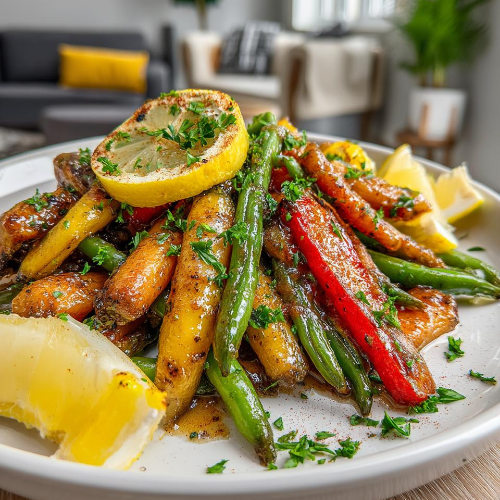
This hearty stew is wonderful served with crusty bread. It’s perfect for dipping into that incredible sauce. A simple baguette or a rustic sourdough works perfectly. For a more substantial meal, creamy mashed potatoes are a classic pairing. They soak up all the delicious juices. Alternatively, a side of buttered egg noodles works well. Some steamed green beans tossed with a little lemon zest offer a lighter, yet still satisfying, accompaniment.
Creative Ways to Present
For a truly elegant presentation, ladle the Burgundy Beef Stew into individual oven-safe ramekins. Small cast-iron pots also work beautifully. Top with a puff pastry square before reheating. This creates a delightful pot pie effect. Another charming idea? Serve it in hollowed-out bread bowls. This looks impressive. It also provides an edible vessel for the rich sauce.
Make Ahead and Storage
Storing Leftovers
Once cooled, store any leftover Burgundy Beef Stew in an airtight container. Keep it in the refrigerator. It stays good for up to 3-4 days. I find fresh herbs are best right before serving. Add them after reheating. This keeps their vibrant color and flavor.
Freezing
This classic beef stew freezes beautifully! Let the stew cool completely. Then portion it into freezer-safe containers. Heavy-duty freezer bags also work well. Remove as much air as possible before sealing. It can be stored in the freezer for up to 3 months. Thaw overnight in the refrigerator for best results before reheating.
Reheating
Reheat this Burgundy Beef Stew in a saucepan. Use medium-low heat. Stir occasionally until heated through. This method maintains the sauce and beef integrity. You can also reheat it in the oven. Use 325°F (160°C). Use an oven-safe dish, covered. Heat for about 20-30 minutes. Heat until hot. If the stew is too thick, add a splash of beef broth or water. Stir until loosened.
Recipe Tips
- Preparation Tips: Ensure beef is cut into uniform 1.5-inch cubes. This prepares for even cooking. Patting the beef very dry before dredging is key. This leads to a good sear.
- Cooking Techniques: Low and slow is the mantra here. Avoid boiling the stew, as it can toughen the meat. Adjust simmering time based on your cut of beef. Some cuts need a bit longer. This is for fork-tender perfection.
- Substitutions: If you don’t have mushrooms, omit them. You can add other root vegetables like parsnips instead. For a non-alcoholic version, replace the red wine. Use an equal amount of beef broth. Mix with one tablespoon of balsamic vinegar for acidity.
- Pro Tips: Browning the beef in batches prevents overcrowding the pan. This is crucial for developing deep flavor. It also builds a good crust. Don’t skip the flour dredging step. It’s essential for a rich, thickened sauce for your Burgundy Beef Stew.
Burgundy Beef Stew
A classic and rich Burgundy Beef Stew, featuring tender beef braised in red wine with aromatic vegetables.
- Prep Time: 25 minutes
- Cook Time: 2-3 hours
- Total Time: 2 hours 25 minutes – 3 hours 25 minutes
- Yield: 6–8 servings 1x
- Category: Main Course
- Method: Braising/Slow Cooking
- Cuisine: French-inspired
- Diet: None
Ingredients
- 2 lbs beef stew meat, cut into 1 1/2-inch cubes
- 2 tbsp olive oil
- 1 large onion, chopped
- 2 carrots, peeled and thickly sliced
- 2 celery stalks, thickly sliced
- 4 oz sliced mushrooms
- 2 cloves garlic, minced
- 1 can (14.5 oz) diced tomatoes, undrained
- 1 1/2 cups dry red wine (like Burgundy, Pinot Noir, or Cabernet Sauvignon)
- 2 cups beef broth
- 1 bay leaf
- 1 tbsp tomato paste
- 1 tsp dried thyme
- Salt and black pepper to taste
- 2 tbsp all-purpose flour (for dredging meat)
- Fresh parsley, chopped, for garnish
Instructions
- Pat beef stew meat dry with paper towels. Dredge the beef cubes in flour seasoned with salt and pepper.
- Heat olive oil in a large Dutch oven or heavy-bottomed pot over medium-high heat. Brown the beef in batches until seared on all sides. Remove beef and set aside.
- Add chopped onion, carrots, and celery to the pot. Cook until softened, about 5-7 minutes. Add mushrooms and cook for another 3-5 minutes until tender.
- Stir in minced garlic and cook for 1 minute until fragrant.
- Return beef to the pot. Stir in diced tomatoes, red wine, beef broth, bay leaf, tomato paste, and dried thyme. Bring to a simmer, scraping up any browned bits from the bottom of the pot.
- Reduce heat to low, cover, and simmer for 2-3 hours, or until beef is very tender. Alternatively, transfer to a preheated 325°F (160°C) oven and bake for 2-3 hours.
- Remove bay leaf. Taste and adjust seasonings as needed. If the stew is too thin, you can thicken it by simmering uncovered for a bit longer or by stirring in a cornstarch slurry.
- Ladle into bowls and garnish with fresh chopped parsley before serving.
Notes
- For best results, use a good quality dry red wine.
- Ensure the beef is well-dredged in flour for a richer, thicker stew.
- Adjust simmering time based on the tenderness of the beef.
Nutrition
- Serving Size: 1 serving (approx. 1/6th of recipe)
- Calories: Approximately 450-550 (will vary based on specific ingredients and fat content of beef)
- Sugar: Will vary based on wine and broth used
- Sodium: Will vary based on broth and added salt
- Fat: Approximately 20-30g
- Saturated Fat: Approximately 6-10g
- Unsaturated Fat: Approximately 14-20g
- Trans Fat: Minimal
- Carbohydrates: Approximately 15-25g
- Fiber: Approximately 2-4g
- Protein: Approximately 30-40g
- Cholesterol: Approximately 100-150mg