Skip to content
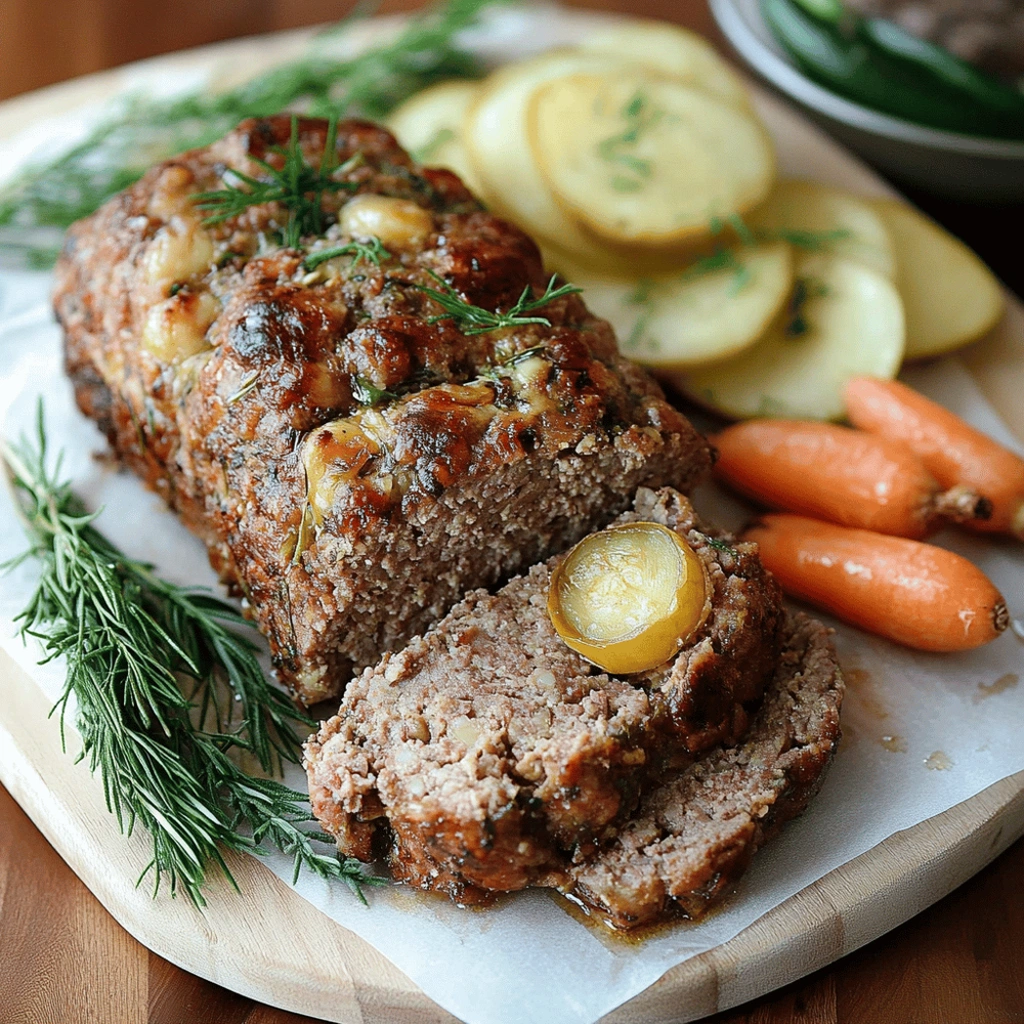
I’m so excited to share this Greek meatloaf recipe with you today! It’s a game-changer, delivering a wonderfully moist and flavorful meatloaf with a delightful Mediterranean twist. This recipe is perfect for busy weeknights, busy moms, and professionals alike, offering a satisfying meal that feels both comforting and a little bit special. I developed this Greek meatloaf after wanting to bring a taste of my favorite vacation flavors into my own kitchen without a lot of fuss.
I tested this Greek meatloaf recipe countless times, tweaking ratios to ensure it’s consistently tender and packed with authentic Greek ingredients. The key to its success lies in a simple technique that locks in moisture and ensures every bite is bursting with flavor from the feta, olives, and oregano. You’ll be amazed at how this method elevates a classic dish into something truly extraordinary, making it a new family favorite you’ll want to make again and again.
There are so many reasons this Greek meatloaf is a winner. It’s a dish that truly delivers on flavor and ease. You’ll find yourself making it again and again for your family.
- Incredibly Flavorful: This Greek meatloaf bursts with Mediterranean tastes. Feta, olives, and oregano create a zestful flavor.
- Moist and Tender Texture: Say goodbye to dry meatloaf! This recipe guarantees succulence every time.
- Quick and Easy Preparation: Minimal fuss means more time for you. Get this Greek meatloaf into the oven fast.
- Family-Friendly Appeal: Even picky eaters will enjoy this updated classic. Its savory taste is a crowd-pleaser.
Ingredients You’ll Need
Gathering your ingredients is the first step to creating this amazing Greek meatloaf! The beauty of this recipe is how each component plays a vital role in building those authentic Mediterranean flavors and ensuring a tender, juicy result. I always opt for lean ground beef to keep things from getting too greasy, and fresh herbs make a world of difference here. Don’t skimp on the feta or olives – they are the stars!
For the Meatloaf:
- 1 1/2 lbs lean ground beef: I prefer 90/10 or 93/7 lean for a good balance of flavor and moisture without being overly fatty. This is the hearty base of our Greek meatloaf.
- 1/2 cup bread crumbs: These act as a binder, helping to hold the meatloaf together and absorb excess moisture. Panko or plain dried bread crumbs work well.
- 1/2 cup milk: This helps to soften the bread crumbs and adds moisture, contributing to a tender texture. Whole milk is my preference for richness.
- 1 large egg: The essential binder that holds all the ingredients together, ensuring your Greek meatloaf doesn’t fall apart.
- 1/2 cup finely chopped red onion: Adds a subtle sweetness and a bit of bite. Red onion has a milder flavor than yellow when raw and complements the other ingredients beautifully.
- 1/4 cup chopped fresh parsley: Brings a fresh, herbaceous note that brightens the entire dish. Don’t use dried parsley here; fresh makes a big difference!
- 2 cloves garlic, minced: For that indispensable savory depth of flavor. Freshly minced garlic is always best for maximum aroma and taste.
- 1/2 cup crumbled feta cheese: This is a key player, adding a salty, tangy punch that defines the Greek flavor profile. Ensure it’s good quality feta for the best taste.
- 1/4 cup pitted Kalamata olives, chopped: These briny, flavorful olives are a signature of Greek cuisine and add bursts of intense flavor throughout the meatloaf.
- 1 tsp dried oregano: The quintessential Greek herb that ties all the flavors together. Use good quality dried oregano for the most potent aroma.
- Salt and black pepper to taste: Essential for seasoning and bringing out the best in all the other ingredients.
For the Glaze (Optional):
- 1/4 cup ketchup: Provides a sweet and tangy base for the glaze.
- 1 tbsp red wine vinegar: Adds a crucial acidic note to balance the sweetness of the ketchup and enhance the glaze’s flavor.
- 1 tsp dried oregano: Reinforces the herbaceous notes of the meatloaf itself.
How to Make Greek Meatloaf
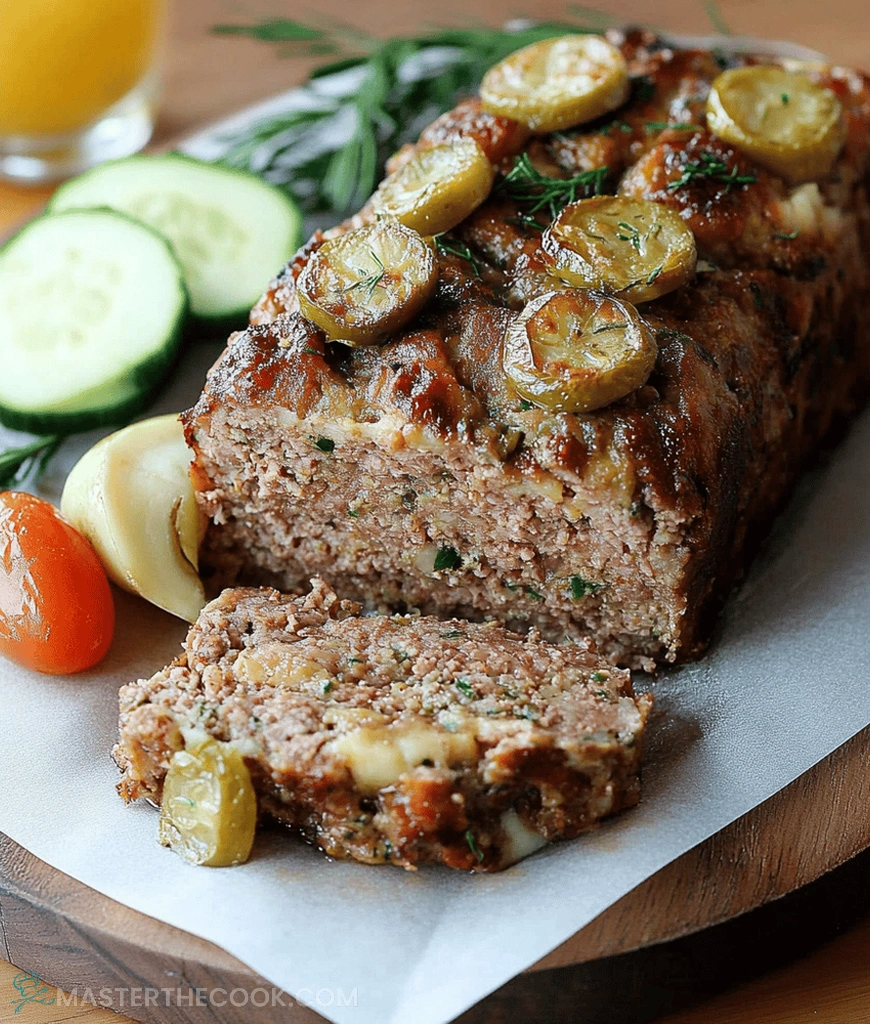
Follow these simple steps for a fantastic Greek meatloaf.
Step 1: Prepare Your Baking Station
Preheat your oven to 350°F (175°C), a moderate temperature that allows the Greek meatloaf to cook through evenly without drying out. Line a baking sheet with parchment paper or foil, or lightly grease a standard loaf pan. Using a baking sheet promotes browning and better air circulation.
Step 2: Soften the Bread Crumbs
In a large mixing bowl, combine the bread crumbs and milk. Let the mixture sit for about 5 minutes so the bread crumbs absorb the milk, creating a softer base and leading to a more tender and less dense meatloaf.
Step 3: Combine the Meatloaf Ingredients
Add lean ground beef, a large egg, finely chopped red onion, chopped fresh parsley, minced garlic cloves, crumbled feta cheese, chopped Kalamata olives, dried oregano, salt, and pepper to the bowl. Gently mix everything with your hands until just combined. Do not overmix, as overworking the meat makes it tough and affects tenderness.
Step 4: Shape the Loaf
Form the meat mixture into a uniform loaf shape and place it on the prepared baking sheet or gently press it into the loaf pan. Ensuring a consistent shape allows for even cooking.
Step 5: Add the Glaze (Optional)
Whisk together ketchup, red wine vinegar, and dried oregano in a small bowl until well mixed. Spread this tangy-sweet glaze evenly over the top of the loaf for added flavor.
Step 6: Bake the Greek Meatloaf
Place the baking sheet or loaf pan in the oven and bake for 50 to 60 minutes, using a meat thermometer to ensure the internal temperature reaches 160°F (71°C), guaranteeing it is safely cooked.
Step 7: Rest and Serve
Remove the meatloaf from the oven and let it rest for 5 to 10 minutes in the pan or on the baking sheet. Resting allows the juices to redistribute, making the meatloaf moist and helping it hold its shape.
Frequently Asked Questions
Can I make this Greek meatloaf ahead of time?
Yes! You can prepare the meatloaf mixture a day in advance and refrigerate it. You can also bake the meatloaf ahead, let it cool completely, and store it in the fridge for up to 3 days. Reheat gently before serving.
What if I don’t have Kalamata olives?
You can substitute other pitted black olives. For a different twist, chopped sun-dried tomatoes add a savory, slightly sweet element.
How do I ensure my Greek meatloaf is moist?
Avoid overmixing and overcooking. Use a meat thermometer to ensure the internal temperature reaches 160°F (71°C). Let the meatloaf rest after baking to retain moisture.
How to Serve Greek Meatloaf
Enhance your Greek meatloaf with fresh garnishes and complementary sides.
Garnishes
Sprinkle fresh parsley and crumbled feta cheese after slicing. Add a dollop or thin layer of tzatziki sauce for a cool, creamy contrast. These touches add color, flavor, and freshness.
Side Dishes
Serve with roasted lemon potatoes with rosemary, a simple Greek salad with cucumbers, tomatoes, red onion, and vinaigrette, or orzo pasta tossed with olive oil and herbs.
Creative Presentation
Slice the meatloaf and arrange overlapping slices on a platter. Drizzle extra glaze or olive oil, scatter fresh herbs and Kalamata olives. For individual portions, use muffin tins to make mini meatloaves topped with tzatziki and dill sprigs.
Make Ahead and Storage
Perfect for meal prep! Store cooled leftovers in an airtight container in the fridge for 3–4 days. Keep glaze and toppings separate to maintain texture. Freeze tightly wrapped or in freezer-safe containers for 2–3 months. Thaw overnight in the fridge for best quality.
Reheating
Reheat slices in the oven at 325°F (160°C) for 15–20 minutes or a whole loaf for 25–30 minutes. Microwaving is faster but may soften the texture. Add fresh garnishes after reheating to enhance flavor and appearance.
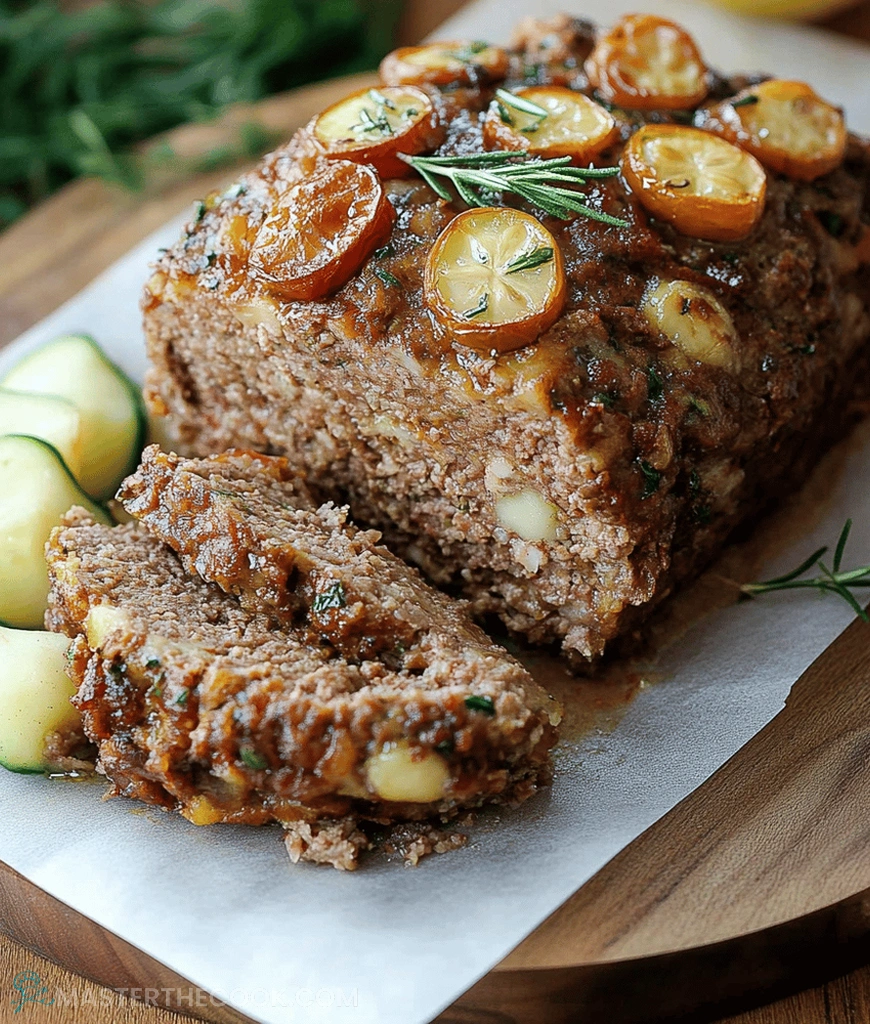
Recipe Tips
- Preparation Tips: Finely chop red onion and parsley for even distribution. Crumble feta cheese well to avoid large chunks.
- Cooking Techniques: Avoid overmixing to prevent toughness. Use a meat thermometer; internal temperature should reach 160°F (71°C).
- Substitutions: If Kalamata olives are unavailable, use other black olives. Plain breadcrumbs or crushed crackers work as binders.
- Pro Tips: Let the meatloaf rest after baking for juicy results. Optional glaze adds a tangy-sweet layer.
Greek Meatloaf Recipe
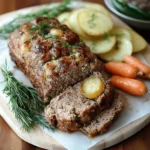
A flavorful Greek Meatloaf infused with feta cheese, Kalamata olives, and oregano, offering a taste of Mediterranean cuisine.
- Prep Time: 15 minutes
- Cook Time: 50-60 minutes
- Total Time: 1 hour 5-1 hour 15 minutes
- Yield: 6–8 servings 1x
- Category: Main Course
- Method: Baking
- Cuisine: Greek
- Diet: Vegetarian
Ingredients
- 1 1/2 lbs lean ground beef
- 1/2 cup bread crumbs
- 1/2 cup milk
- 1 large egg
- 1/2 cup finely chopped red onion
- 1/4 cup chopped fresh parsley
- 2 cloves garlic, minced
- 1/2 cup crumbled feta cheese
- 1/4 cup pitted Kalamata olives, chopped
- 1 tsp dried oregano
- Salt and black pepper to taste
- 1/4 cup ketchup (for glaze)
- 1 tbsp red wine vinegar (for glaze)
- 1 tsp dried oregano (for glaze)
Instructions
- Preheat oven to 350°F (175°C). Line a baking sheet with parchment paper or foil, or lightly grease a loaf pan.
- In a large bowl, combine bread crumbs and milk. Let sit for a few minutes to soften the bread crumbs.
- Add ground beef, egg, red onion, parsley, garlic, feta cheese, chopped Kalamata olives, 1 tsp dried oregano, salt, and pepper to the bowl with the bread crumbs. Mix gently but thoroughly with your hands until just combined. Be careful not to overmix, as it can make the meatloaf tough.
- Form the mixture into a loaf shape and place it on the prepared baking sheet (or press into a loaf pan).
- If making the glaze, whisk together ketchup, red wine vinegar, and 1 tsp dried oregano in a small bowl. Spread the glaze evenly over the top of the meatloaf.
- Bake for 50-60 minutes, or until the internal temperature reaches 160°F (71°C).
- Remove from oven and let the meatloaf rest for 5-10 minutes before slicing and serving.
Notes
- Ensure not to overmix the meatloaf mixture to maintain tenderness.
- The glaze is optional but adds a delicious tangy and savory finish.
- Allow the meatloaf to rest before slicing to help it hold its shape.
Nutrition
- Serving Size: 1 slice
- Calories: Approximately 300-400 (will vary based on lean percentage of beef and glaze)
- Sugar: Varies
- Sodium: Varies
- Fat: Varies
- Saturated Fat: Varies
- Unsaturated Fat: Varies
- Trans Fat: Varies
- Carbohydrates: Varies
- Fiber: Varies
- Protein: Varies
- Cholesterol: Varies